

ในโลกยุคดิจิทัลที่ทุกสิ่งทุกอย่างถูกย่อให้เหลือเพียงแค่ปลายนิ้วสัมผัส การเสี่ยงโชคก็ไม่ใช่เรื่องที่ต้องเดินทางไปหาซื้อจากแผงลอตเตอรี่หรือเจ้ามือรายย่อยอีกต่อไป เพราะปัจจุบันมีทางเลือกใหม่ที่เรียกว่า หวยออนไลน์ ซึ่งได้เข้ามาเปลี่ยนวิถีชีวิตของผู้เล่นหวยไทยไปอย่างสิ้นเชิง การลุ้นรางวัลไม่จำกัดอยู่เพียงแค่วันที่ 1 และ 16 ของเดือนอีกต่อไป แต่สามารถเลือกเล่นได้หลากหลายรูปแบบตลอดทั้งวัน ทุกชั่วโมง ทุกนาที และหนึ่งในเว็บไซต์ที่ถูกพูดถึงมากที่สุดก็คือ เว็บหวย HKT956 ที่ออกแบบมาเพื่อตอบโจทย์ทั้งผู้เล่นหน้าใหม่และเซียนหวยที่ต้องการความสะดวก ความปลอดภัย และความมั่นคงในการเล่น หากคุณกำลังมองหาประสบการณ์ใหม่ในการเสี่ยงโชค การ สมัครสมาชิก HKT956 จะเป็นก้าวแรกที่พาคุณเข้าสู่โลกของ หวยออนไลน์ ที่ครบครันที่สุดในปี 2025
สิ่งที่ทำให้ เว็บหวย HKT956 แตกต่างจากที่อื่นไม่ใช่เพียงแค่การมีหวยให้เลือกครบทุกแบบ ไม่ว่าจะเป็น หวยรัฐบาลออนไลน์ หวยฮานอยออนไลน์ หวยลาวออนไลน์ หวยหุ้นออนไลน์ หวยยี่กีออนไลน์ หวยมาเลย์ออนไลน์ หวยออมสิน และหวย ธ.ก.ส. แต่ยังรวมไปถึงระบบการใช้งานที่ถูกออกแบบมาอย่างเข้าใจผู้เล่นจริงๆ ตั้งแต่ขั้นตอนการ สมัครสมาชิก HKT956 ที่ง่ายเพียงไม่กี่วินาที คุณก็สามารถเข้าสู่ระบบและเริ่มต้นการซื้อ หวยออนไลน์ ได้ทันทีโดยไม่เสียค่าใช้จ่ายใดๆ ทั้งสิ้น
สำหรับคนไทยแล้ว หวยไม่ใช่เพียงการเสี่ยงโชค แต่ยังเป็นความหวังเล็กๆ ที่อยู่คู่กับชีวิตประจำวันมานาน หลายคนตีเลขจากความฝัน ตัวเลขจากทะเบียนรถ หรือแม้แต่เหตุการณ์รอบตัว ทุกสิ่งล้วนกลายมาเป็นแรงบันดาลใจในการเลือกซื้อเลข เมื่อก่อนอาจต้องเสียเวลาเดินหาเลขตามตลาดหรือเจอปัญหาเลขอั้น แต่เมื่อเข้าสู่โลกของ หวยออนไลน์ ปัญหาเหล่านี้ก็หมดไป เพราะที่ เว็บหวย HKT956 คุณสามารถเลือกเลขได้เองทุกตัว ไม่มีการบวกเกินราคา ไม่มีการปิดกั้นตัวเลขที่คุณต้องการ ระบบเปิดกว้างและยืดหยุ่นเพื่อให้ผู้เล่นได้สัมผัสความอิสระอย่างแท้จริง
อีกสิ่งหนึ่งที่ทำให้ผู้เล่นเลือก สมัครสมาชิก HKT956 มากขึ้นเรื่อยๆ ก็คือความสะดวกในเรื่องการฝากถอนที่ใช้ระบบออโต้ เงินเข้าภายในไม่เกิน 30 วินาที ทำให้ไม่ต้องรอนานเหมือนในอดีต ทุกการเล่นและการจ่ายรางวัลมีความโปร่งใส ตรวจสอบได้ และที่สำคัญคือ จ่ายจริง จ่ายเต็มทุกยอดบิล ซึ่งเป็นหัวใจสำคัญของการเล่น หวยออนไลน์ เพราะไม่ว่าคุณจะถูกรางวัลเล็กหรือใหญ่ เว็บก็พร้อมโอนให้ทันทีโดยไม่มีข้อแม้
ลองจินตนาการดูว่าคุณสามารถลุ้น หวยรัฐบาลออนไลน์ เดือนละ 2 ครั้งเหมือนเดิม แต่ระหว่างรอคุณยังเลือกเล่น หวยฮานอยออนไลน์ ที่ออกผลทุกวัน หรือเปลี่ยนบรรยากาศไปกับ หวยลาวออนไลน์ ที่ออกหลายครั้งต่อสัปดาห์ หากอยากสัมผัสความตื่นเต้นรายชั่วโมงก็ยังมี หวยยี่กีออนไลน์ ที่ออกรางวัลมากถึง 88 รอบต่อวัน เรียกได้ว่าไม่ว่าจะช่วงเวลาไหนของวัน คุณก็สามารถลุ้นโชคได้ตลอดเวลา นี่ยังไม่รวม หวยหุ้นออนไลน์ ที่ผูกผลรางวัลเข้ากับตลาดหุ้นทั้งไทยและต่างประเทศ รวมถึง หวยมาเลย์ออนไลน์ หวยออมสิน และหวย ธ.ก.ส. ที่ตอบโจทย์ผู้ที่ชอบความหลากหลายในการเสี่ยงโชค
เมื่อทุกสิ่งถูกรวมไว้ในแพลตฟอร์มเดียว จึงไม่น่าแปลกใจที่การ สมัครสมาชิก HKT956 กลายเป็นทางเลือกอันดับหนึ่งของคอหวยยุคใหม่ เพราะนอกจากจะได้เล่น หวยออนไลน์ ครบทุกชนิดแล้ว ยังได้ความมั่นใจในเรื่องความปลอดภัย เว็บไซต์มีมาตรฐานระดับสากล ข้อมูลส่วนตัวของผู้เล่นถูกปกป้องอย่างดีด้วยระบบความปลอดภัยที่ทันสมัย ทำให้ไม่ต้องกังวลเรื่องการรั่วไหลของข้อมูลใดๆ
ในมุมของ SEO และการสร้างตัวตนออนไลน์ ชื่อของ HKT956 เริ่มถูกพูดถึงมากขึ้นเรื่อยๆ เพราะผู้เล่นที่เข้ามาแล้วต่างยืนยันเป็นเสียงเดียวกันว่าใช้งานง่ายจริง ไม่ซับซ้อน แม้จะเป็นมือใหม่ที่เพิ่งรู้จักกับ หวยออนไลน์ ก็สามารถเข้าใจและเริ่มเล่นได้ภายในไม่กี่นาที การออกแบบหน้าเว็บไซต์ถูกทำมาอย่างเป็นมิตรกับผู้ใช้งาน รองรับทั้งคอมพิวเตอร์และมือถือเต็มรูปแบบ ไม่ว่าคุณจะอยู่ที่บ้าน ที่ทำงาน หรือแม้แต่ระหว่างเดินทาง เพียงหยิบสมาร์ตโฟนขึ้นมาก็สามารถซื้อ หวยออนไลน์ ได้ทันที
เมื่อมองลึกลงไปจะเห็นว่า หวยออนไลน์ ไม่ได้เป็นเพียงการเสี่ยงโชค แต่ยังเป็นประสบการณ์ที่ผสมผสานระหว่างความเชื่อ ความหวัง และเทคโนโลยีสมัยใหม่ การที่คุณตัดสินใจ สมัครสมาชิก HKT956 จึงไม่ต่างอะไรจากการเปิดประตูเข้าสู่โลกใหม่ที่เต็มไปด้วยโอกาสในการลุ้นรางวัลมากมาย หากคุณคือคนหนึ่งที่ชอบความตื่นเต้น ชอบการลุ้นเลข และต้องการแพลตฟอร์มที่เชื่อถือได้ เว็บหวย HKT956 คือคำตอบที่ใช่ที่สุดในเวลานี้
เมื่อเอ่ยถึงคำว่า หวยออนไลน์ หลายคนอาจจะนึกถึงโลกใหม่ที่เต็มไปด้วยโอกาส ความสะดวก และการเข้าถึงที่ง่ายกว่าสมัยก่อน แต่หากจะย้อนกลับไปทำความเข้าใจถึงจุดเริ่มต้นของการเสี่ยงโชคในสังคมไทยจริงๆ เราคงไม่อาจมองข้ามสิ่งที่เป็นรากฐานอย่าง หวยรัฐบาลไทย ที่อยู่คู่กับผู้คนมานานกว่าร้อยปี หวยชนิดนี้ไม่เพียงเป็นเครื่องมือในการสร้างรายได้ให้แก่รัฐ แต่ยังกลายเป็นส่วนหนึ่งของวัฒนธรรมที่ฝังแน่นในสังคมไทยมาโดยตลอด การลุ้นผลรางวัลทุกวันที่ 1 และ 16 ของเดือนกลายเป็นพิธีกรรมที่หลายครอบครัวเฝ้ารอ ทุกสายตาจับจ้องไปยังหน้าจอทีวีหรือวิทยุ เสียงประกาศตัวเลขดังขึ้นทีละหลักและหัวใจของผู้คนก็กระโดดเต้นแรงตามไปด้วย ความรู้สึกแบบนี้คือเสน่ห์ที่ทำให้หวยยังคงอยู่และไม่เคยเลือนหาย
หวยรัฐบาลไทย เกิดขึ้นครั้งแรกในสมัยรัชกาลที่ 3 ซึ่งเดิมทีเป็นการจัดตั้งหวย ก ข เพื่อกระตุ้นเศรษฐกิจและเพิ่มรายได้ให้กับแผ่นดิน ต่อมาจึงได้พัฒนามาเป็น สลากกินแบ่งรัฐบาล ที่เราเห็นกันในปัจจุบัน การออกรางวัลเป็นไปอย่างโปร่งใสและมีมาตรฐาน ทำให้ได้รับความนิยมและความเชื่อมั่นจากประชาชนอย่างกว้างขวาง จุดที่น่าสนใจคือสลากกินแบ่งรัฐบาลไม่ได้มีเพียงแค่การลุ้นรางวัลที่ 1 มูลค่าหลายล้านบาทเท่านั้น แต่ยังมีรางวัลอื่นๆ อีกมากมาย ตั้งแต่รางวัลเลขหน้า รางวัลเลขท้าย ไปจนถึงรางวัลเล็กๆ ที่ทำให้ผู้เล่นหลายคนรู้สึกใกล้ชิดและมีโอกาสลุ้นอยู่เสมอ
อย่างไรก็ตาม ความนิยมของ หวยรัฐบาลออนไลน์ ไม่ได้หยุดอยู่แค่การซื้อสลากจริง เพราะโลกดิจิทัลได้เปลี่ยนพฤติกรรมผู้เล่นไปอย่างสิ้นเชิง วันนี้คุณไม่จำเป็นต้องเดินหาเลขตามแผง ไม่ต้องต่อรองราคา หรือเจอปัญหาเลขเกินราคาอีกต่อไป เพียงแค่คุณหยิบมือถือขึ้นมา เปิดเข้าเว็บไซต์หรือแอปพลิเคชัน คุณก็สามารถเลือกเลขที่ต้องการ กดยืนยัน และรอผลได้อย่างง่ายดาย ความสะดวกนี้ทำให้ หวยรัฐบาลออนไลน์ กลายเป็นทางเลือกที่คนนิยมมากขึ้นเรื่อยๆ โดยเฉพาะในเว็บที่น่าเชื่อถืออย่าง เว็บหวย HKT956 ที่มีระบบให้คุณเลือกซื้อเลขได้ทุกตัวตามต้องการ ไม่มีเลขอั้นและไม่มีการโกง
สิ่งที่ทำให้ หวยออนไลน์ น่าสนใจมากขึ้นคือการเปิดกว้างสู่หวยประเภทอื่นๆ ที่ไม่เคยมีมาก่อนในระบบดั้งเดิม หากคุณเล่น หวยรัฐบาลไทย เดือนละสองครั้งแล้วอยากเพิ่มความตื่นเต้น ก็สามารถเลือกเล่น หวยฮานอยออนไลน์ หวยลาวออนไลน์ หวยหุ้นออนไลน์ หวยยี่กีออนไลน์ หรือแม้แต่ หวยมาเลย์ออนไลน์ หวยออมสิน และหวย ธ.ก.ส. ได้ตามใจ ความหลากหลายเหล่านี้ทำให้ผู้เล่นมีโอกาสลุ้นโชคได้ทุกวันและทุกช่วงเวลา
แต่แม้จะมีหวยหลากหลายชนิดเกิดขึ้นมากมาย ความคลาสสิกของ หวยรัฐบาลไทย ก็ยังคงครองใจผู้คน เพราะมันคือหวยที่มีความมั่นคงที่สุด มีรางวัลใหญ่ที่สุด และเป็นสิ่งที่ผูกพันกับสังคมไทยมาช้านาน ทุกครั้งที่ใครสักคนถูกรางวัลที่ 1 ข่าวนั้นมักกลายเป็นกระแสที่ถูกพูดถึงไปทั่วประเทศ เพราะมันสะท้อนให้เห็นว่าการเสี่ยงโชคเพียงใบเดียวสามารถเปลี่ยนชีวิตจากคนธรรมดาให้กลายเป็นเศรษฐีได้ในพริบตา ความหวังที่ซ่อนอยู่ในตัวเลขหกหลักนั้นจึงเป็นสิ่งที่ดึงดูดผู้คนเสมอ
เมื่อ หวยรัฐบาลไทย ก้าวเข้าสู่โลกของ หวยออนไลน์ มันก็ได้ปรับตัวให้เข้ากับยุคสมัยอย่างน่าสนใจ หน่วยงานที่เกี่ยวข้องยังคงพัฒนาให้ผู้เล่นเข้าถึงได้ง่ายและปลอดภัยมากขึ้น เช่น การซื้อสลากดิจิทัลผ่านแอปพลิเคชัน ทำให้คนไม่ต้องเสี่ยงเจอกับสลากเกินราคาอีกต่อไป ขณะเดียวกันแพลตฟอร์มออนไลน์อื่นๆ ก็ได้ต่อยอดระบบนี้ให้สะดวกยิ่งขึ้น ผู้เล่นสามารถเลือกซื้อเลขที่ตรงใจ ตรวจผลรางวัลย้อนหลัง หรือแม้แต่ตั้งระบบแจ้งเตือนงวดถัดไปได้ในไม่กี่วินาที
ความเชื่อที่ผูกพันกับ หวยรัฐบาลไทย ก็ยังคงดำรงอยู่ ผู้คนยังคงตีเลขจากความฝัน จากสิ่งที่พบเจอในชีวิตประจำวัน หรือจากความเชื่อทางไสยศาสตร์ เลขทะเบียนรถของผู้ใหญ่ที่เคารพ เลขวันเกิดของคนสำคัญ หรือแม้แต่ข่าวเหตุการณ์ใหญ่ๆ ในประเทศ ก็สามารถกลายมาเป็นแรงบันดาลใจในการเลือกเลขได้ทั้งนั้น เมื่อทุกสิ่งถูกโยงเข้าสู่โลกของ หวยรัฐบาลออนไลน์ ประสบการณ์นี้จึงยิ่งง่ายและเข้าถึงได้มากขึ้น ผู้เล่นไม่จำเป็นต้องวิ่งหาแผงอีกต่อไป แต่สามารถกดเลือกได้ทันทีจากมือถือ และเมื่อผลรางวัลถูกประกาศ ระบบก็พร้อมแจ้งผลโดยอัตโนมัติ
สิ่งที่ควรกล่าวถึงอีกประการคือ หวยออนไลน์ ไม่เพียงแต่เป็นเรื่องของการเสี่ยงโชค แต่ยังเป็นช่องทางของการสร้างความบันเทิง ความตื่นเต้น และการพูดคุยในสังคม ทุกงวดจะมีการแลกเปลี่ยนเลขเด็ด การเล่าความฝัน การแชร์ประสบการณ์ที่ทำให้ผู้คนรู้สึกว่าไม่ได้ลุ้นอยู่คนเดียว แต่เป็นการลุ้นร่วมกันในสังคมออนไลน์ที่กว้างใหญ่ นี่เองคือเสน่ห์ที่ทำให้การเล่น หวยออนไลน์ โดยเฉพาะกับ เว็บหวย HKT956 ได้รับความนิยมและกลายเป็นส่วนหนึ่งของชีวิตผู้คนในยุคใหม่

หากพูดถึงหนึ่งในหวยที่ได้รับความนิยมสูงสุดในโลกของ หวยออนไลน์ หลังจาก หวยรัฐบาลไทย แล้ว คงไม่มีใครไม่รู้จัก หวยลาว หรือที่เรียกกันอย่างเป็นทางการว่า หวยลาวพัฒนา ซึ่งถือเป็นอีกหนึ่งการเสี่ยงโชคที่ก้าวข้ามพรมแดนเข้ามามีบทบาทในสังคมไทยอย่างรวดเร็ว ความน่าสนใจของ หวยลาวออนไลน์ อยู่ที่ความถี่ในการออกรางวัล ราคาที่เข้าถึงได้ง่าย และรูปแบบการเล่นที่เรียบง่ายแต่เต็มไปด้วยเสน่ห์ คนไทยจำนวนไม่น้อยหลงรักหวยชนิดนี้เพราะสามารถลุ้นได้หลายครั้งต่อสัปดาห์ ไม่ต้องรอนานเหมือน หวยรัฐบาลไทย ที่ออกเพียงเดือนละสองครั้ง การได้ลุ้นถี่ ๆ ทำให้ หวยลาววันนี้ กลายเป็นกิจกรรมที่สร้างความตื่นเต้นให้กับผู้เล่นอย่างต่อเนื่อง
หวยลาวพัฒนา ถือกำเนิดขึ้นโดยรัฐวิสาหกิจหวยพัฒนากระทรวงการเงิน สปป.ลาว และมีการออกรางวัลอย่างเป็นทางการสัปดาห์ละ 2–3 ครั้ง ลักษณะการออกรางวัลจะใช้ตัวเลขเพียง 4 หลัก ทำให้เข้าใจง่ายและไม่ซับซ้อน ความแตกต่างจาก หวยรัฐบาลไทย ที่ใช้เลข 6 หลักนั้นทำให้ หวยลาวออนไลน์ มีความรวดเร็วในการออกรางวัลและการตรวจสอบผล อีกทั้งโอกาสในการถูกรางวัลก็มากกว่าในสายตาของผู้เล่นหลายคน เพราะตัวเลขมีจำนวนน้อยกว่า โอกาสทายถูกจึงมากขึ้น และนี่เองคือเหตุผลที่ทำให้คนไทยจำนวนมากหันมาสนใจ หวยลาววันนี้ จนกลายเป็นหนึ่งในหวยต่างประเทศที่ได้รับความนิยมสูงสุด
เมื่อเข้าสู่โลกของ หวยออนไลน์ สิ่งที่ทำให้ หวยลาวออนไลน์ น่าสนใจยิ่งขึ้นคือการที่ผู้เล่นสามารถเข้าถึงได้ตลอดเวลา ไม่ต้องกังวลเรื่องการหาซื้อเลขหรือปัญหาเลขอั้นเหมือนเมื่อก่อน เพียงคุณกด สมัครสมาชิก HKT956 ก็สามารถเลือกเล่น หวยลาวออนไลน์ ได้ทันที มีการแสดงผลการออกรางวัลชัดเจนแบบเรียลไทม์ และยังสามารถย้อนดูผลรางวัลเก่า ๆ ได้อีกด้วย จุดนี้ช่วยให้ผู้เล่นมั่นใจว่าแม้จะเป็นหวยจากต่างประเทศ แต่การเล่นผ่าน เว็บหวย HKT956 ก็มีความโปร่งใสและตรวจสอบได้จริง
เสน่ห์อีกประการของ หวยลาว คือการตีความหมายของสัตว์กับตัวเลข คนลาวมักนิยมเรียกหวยชนิดนี้ว่า “หวยสัตว์” เพราะใช้สัญลักษณ์ของสัตว์แทนตัวเลข ทำให้มีความสนุกและกลิ่นอายของวัฒนธรรมท้องถิ่นเข้ามาเกี่ยวข้องด้วย ยกตัวอย่างเช่น เลข 01 แทนหนู เลข 11 แทนสุนัข หรือเลข 37 แทนเต่า เรื่องราวเหล่านี้ไม่ได้เป็นเพียงการเสี่ยงโชค แต่ยังเป็นการสืบสานความเชื่อและวัฒนธรรมที่ทำให้ หวยลาวพัฒนา มีเอกลักษณ์เฉพาะตัวที่แตกต่างจากหวยชนิดอื่น ๆ
ผู้เล่นไทยที่สนใจ หวยลาวออนไลน์ มักมองว่ามันคือโอกาสเสริมในการสร้างรายได้เพิ่มเติมจากการเสี่ยงโชค เพราะด้วยราคาที่ถูกกว่า อัตราจ่ายที่คุ้มค่า และรอบการออกรางวัลที่ถี่กว่าหวยในประเทศ จึงไม่ใช่เรื่องแปลกที่กระแสของ หวยลาววันนี้ จะเติบโตขึ้นอย่างต่อเนื่อง หลายคนเลือกใช้เป็นช่องทางในการลงทุนเล็ก ๆ น้อย ๆ ที่สร้างความหวังได้ทุกสัปดาห์
การเล่น หวยลาวออนไลน์ ผ่าน เว็บหวย HKT956 ยังมาพร้อมความสะดวกที่เหนือกว่า เพราะระบบฝากถอนออโต้ที่รวดเร็ว เงินเข้าทันทีหลังถูกรางวัล ไม่มีการหัก ไม่มีการโกง การันตีความมั่นคง ผู้เล่นสามารถเลือกซื้อเลขที่ต้องการได้เองอย่างอิสระ ไม่ต้องกังวลว่าเลขดังหรือเลขเด็ดที่อยากเล่นจะหายากเหมือนในอดีต ทุกอย่างถูกจัดการอย่างเป็นระบบและทันสมัย ทำให้ผู้เล่นสามารถสนุกกับการลุ้น หวยลาว ได้อย่างเต็มที่
ในทางวัฒนธรรม หวยลาวพัฒนา ยังสะท้อนถึงความเชื่อและวิถีชีวิตของคนลาวที่โยงตัวเลขเข้ากับธรรมชาติและสัตว์ต่าง ๆ เมื่อสิ่งนี้ข้ามเข้ามาในสังคมไทย จึงกลายเป็นความแปลกใหม่ที่เพิ่มสีสันให้กับวงการ หวยออนไลน์ ผู้เล่นไทยหลายคนสนุกไปกับการตีเลขจากสัตว์ตามความเชื่อ หรือแม้แต่การหาความหมายเชิงสัญลักษณ์ที่ซ่อนอยู่ในชีวิตประจำวัน สิ่งเหล่านี้ทำให้การเล่น หวยลาวออนไลน์ ไม่ใช่เพียงเรื่องของการเสี่ยงโชค แต่ยังเป็นการมีส่วนร่วมในวัฒนธรรมและความเชื่อที่ต่างออกไป
ทุกวันนี้ การเสี่ยงโชคกับ หวยลาวออนไลน์ จึงไม่ใช่เรื่องไกลตัวอีกต่อไป เพียงแค่คุณเลือก สมัครสมาชิก HKT956 โลกของ หวยลาวพัฒนา ก็พร้อมเปิดกว้างรอให้คุณเข้าไปสัมผัส ความสะดวก ความโปร่งใส และความหลากหลายที่เว็บนี้มีให้คือเหตุผลสำคัญที่ทำให้ผู้เล่นจำนวนมากไว้วางใจ เพราะนอกจากจะได้ลุ้น หวยลาววันนี้ อย่างสนุกแล้ว ยังมั่นใจได้ว่าทุกการเล่นจะได้รับการดูแลอย่างดีที่สุด
ในท้ายที่สุด หวยลาว คืออีกหนึ่งเส้นทางของความหวังเล็ก ๆ ที่สร้างรอยยิ้มและความตื่นเต้นให้กับผู้คน มันไม่ใช่เพียงการทายตัวเลข แต่คือการเชื่อมโยงระหว่างความเชื่อ วัฒนธรรม และเทคโนโลยีสมัยใหม่ที่เข้ามาเปลี่ยนการเสี่ยงโชคให้ง่ายขึ้นและเข้าถึงได้มากขึ้น หากคุณพร้อมที่จะเปิดประสบการณ์ใหม่ อย่าลืมว่าเพียงแค่การ สมัครสมาชิก HKT956 ก็เพียงพอที่จะทำให้คุณก้าวเข้าสู่โลกของ หวยลาวออนไลน์ ที่เต็มไปด้วยสีสันและโอกาสมากมายในทุกสัปดาห์

ในบรรดาหวยต่างประเทศที่เข้ามามีบทบาทในสังคมไทย หนึ่งในนั้นที่ได้รับความนิยมสูงสุดคงหนีไม่พ้น หวยฮานอย หรือที่หลายคนเรียกว่า หวยเวียดนาม เสน่ห์ของหวยชนิดนี้อยู่ที่ความถี่ในการออกรางวัลที่มีทุกวัน แตกต่างจาก หวยรัฐบาลไทย ที่ต้องรอถึงครึ่งเดือนกว่าจะได้ลุ้นอีกครั้ง การที่สามารถลุ้นโชคได้รายวันจึงทำให้ หวยฮานอยออนไลน์ กลายเป็นที่ชื่นชอบของคอหวยจำนวนมาก โดยเฉพาะผู้ที่ชอบความตื่นเต้นและไม่อยากรอนาน หวยชนิดนี้เปิดโอกาสให้คนไทยได้สัมผัสกับความรู้สึกของการลุ้นตัวเลขทุกเย็นเหมือนกิจวัตรประจำวัน และเมื่อถูกยกมาอยู่บนแพลตฟอร์ม หวยออนไลน์ ก็ยิ่งทำให้เข้าถึงง่ายขึ้นกว่าเดิม
หวยฮานอยวันนี้ มีรูปแบบการออกรางวัลที่ใช้ตัวเลข 5 หลัก โดยมีการถ่ายทอดสดจากประเทศเวียดนามอย่างเป็นทางการ ผู้เล่นในไทยสามารถตรวจสอบผลได้แบบเรียลไทม์ ความโปร่งใสนี้คือสิ่งที่ทำให้หลายคนไว้วางใจ เพราะรู้ว่าทุกการออกรางวัลเป็นมาตรฐานเดียวกับที่ใช้ในประเทศเวียดนามจริงๆ และเมื่อเข้ามาอยู่ในโลกของ หวยออนไลน์ ก็ยิ่งสะดวกกว่าเดิม เพราะไม่จำเป็นต้องรอข่าวจากต่างประเทศหรือหาผลจากสื่อให้ยุ่งยาก เพียงแค่คุณ สมัครสมาชิก HKT956 ก็สามารถติดตามผล หวยฮานอยออนไลน์ ได้ทันที มีทั้งหน้าแสดงผลย้อนหลัง ตารางสถิติ และระบบแจ้งเตือนอัตโนมัติ
สิ่งที่ทำให้ หวยฮานอย มีเสน่ห์เป็นพิเศษคือความหลากหลายของประเภทหวยที่มีให้เลือก ไม่ว่าจะเป็นหวยฮานอยปกติที่ออกรางวัลทุกเย็น หวยฮานอยพิเศษที่ออกรางวัลเร็วขึ้นในช่วงเย็นต้นๆ หรือแม้แต่หวยฮานอยวีไอพีที่ออกรางวัลในช่วงค่ำ ความแตกต่างของเวลานี้เปิดโอกาสให้ผู้เล่นได้ลุ้นมากกว่าหนึ่งครั้งต่อวัน สำหรับคอหวยไทยที่ชื่นชอบการเสี่ยงโชคแบบต่อเนื่อง นี่คือโอกาสที่ตอบโจทย์ที่สุด เพราะสามารถเลือกได้ว่าจะเล่นรอบใดหรือเล่นทุกรอบก็ยังได้
อีกหนึ่งเหตุผลที่ทำให้ หวยฮานอยออนไลน์ กลายเป็นที่นิยมก็คืออัตราจ่ายที่คุ้มค่าและกติกาที่เข้าใจง่าย ผู้เล่นสามารถเลือกแทงได้ทั้งแบบ 2 ตัว 3 ตัว เลขวิ่ง และรูปแบบอื่นๆ คล้ายกับการเล่น หวยรัฐบาลออนไลน์ หรือหวยใต้ดิน แต่ข้อดีคือไม่ต้องกังวลเรื่องเลขอั้นหรือการหาซื้อเลขที่ต้องการ เพราะระบบของ เว็บหวย HKT956 เปิดให้เลือกได้ทุกเลขตามใจ ไม่ว่าคุณจะมีเลขเด็ดจากความฝัน จากสำนักดัง หรือจากการคำนวณสถิติ ก็สามารถนำมาเสี่ยงโชคกับ หวยฮานอยออนไลน์ ได้อย่างอิสระ
ในมิติของวัฒนธรรม การเล่น หวยเวียดนาม ก็มีรากฐานที่น่าสนใจไม่แพ้กัน คนเวียดนามเองก็นิยมเล่นหวยชนิดนี้เป็นประจำ และเมื่อข้ามมาสู่สังคมไทย มันก็กลายเป็นอีกหนึ่งกิจกรรมที่เชื่อมโยงผู้คนสองประเทศเข้าด้วยกัน ผู้เล่นไทยจำนวนไม่น้อยรู้สึกสนุกไปกับการตีความหมายของเลขจากข่าวต่างประเทศ หรือแม้แต่การติดตามสถิติผล หวยฮานอยวันนี้ เพื่อใช้เป็นแนวทางในงวดต่อๆ ไป ทุกสิ่งนี้สร้างบรรยากาศของการลุ้นที่เต็มไปด้วยความคาดหวังและความตื่นเต้นที่ไม่รู้จบ
ในมุมมองของผู้เล่นยุคใหม่ การเลือกเล่น หวยฮานอยออนไลน์ ผ่าน เว็บหวย HKT956 ถือเป็นการสร้างความมั่นใจที่เหนือกว่า เพราะเว็บไซต์มีระบบที่เสถียร ฝากถอนอัตโนมัติ เงินเข้าทันทีหลังถูกรางวัล และที่สำคัญคือการันตีความปลอดภัยของข้อมูลผู้เล่น ไม่มีการรั่วไหล ทุกการเล่นจึงเต็มไปด้วยความสบายใจ ผู้เล่นไม่ต้องเสียเวลาไปหาช่องทางอื่น ๆ หรือกลัวว่าจะโดนโกง เพราะทุกขั้นตอนถูกจัดการด้วยเทคโนโลยีที่ทันสมัยและมาตรฐานสากล
สุดท้ายแล้ว หวยฮานอย จึงไม่ใช่แค่การเสี่ยงโชคจากตัวเลขต่างประเทศ แต่เป็นกิจกรรมที่สร้างทั้งความสนุก ความหวัง และรายได้เสริมเล็กๆ น้อยๆ ให้กับผู้คน การลุ้นทุกเย็นกลายเป็นเหมือนการเติมสีสันให้กับชีวิตประจำวัน และเมื่อรวมเข้ากับแพลตฟอร์มที่ครบครันอย่าง เว็บหวย HKT956 ประสบการณ์นี้ก็ยิ่งสมบูรณ์แบบมากขึ้นไปอีก หากคุณคือคนหนึ่งที่กำลังมองหาความตื่นเต้นรายวัน อย่าลืมว่าเพียงแค่การ สมัครสมาชิก HKT956 ก็เพียงพอที่จะพาคุณเข้าสู่โลกของ หวยฮานอยออนไลน์ ที่เต็มไปด้วยโอกาสและความสนุกในทุกๆ วัน

เมื่อพูดถึงหนึ่งในหวยที่ได้รับความนิยมไม่แพ้ หวยรัฐบาลไทย หวยลาว หรือหวยฮานอย ชื่อของ หวยหุ้น มักถูกยกขึ้นมาเสมอ เสน่ห์ของหวยชนิดนี้อยู่ที่การนำดัชนีตลาดหุ้นจริงมาใช้เป็นเกณฑ์ในการออกรางวัล ความพิเศษจึงอยู่ตรงที่ผลไม่ได้ขึ้นอยู่กับการหมุนลูกบอลเหมือนหวยทั่วไป แต่ขึ้นอยู่กับการปิดตลาดหุ้นในแต่ละรอบ ซึ่งทำให้ผู้เล่นรู้สึกถึงความโปร่งใสและแตกต่างจากการเสี่ยงโชครูปแบบอื่น ๆ อย่างสิ้นเชิง สำหรับคนไทยแล้ว การเล่น หวยหุ้นไทย ถือเป็นสิ่งที่อยู่คู่กับวิถีชีวิตการเสี่ยงโชคมานาน เพราะตลาดหุ้นไทยเปิดปิดทุกวันจันทร์ถึงศุกร์ ทำให้มีโอกาสลุ้นหลายครั้งต่อสัปดาห์ แตกต่างจากการต้องรอครึ่งเดือนเพื่อเล่น หวยรัฐบาลออนไลน์ เพียงสองครั้งต่อเดือน
ความน่าสนใจของ หวยหุ้นออนไลน์ คือผู้เล่นสามารถเลือกได้หลากหลายว่าจะเล่นหุ้นไทยหรือหุ้นต่างประเทศ ไม่ว่าจะเป็นหุ้นนิเคอิ หุ้นดาวโจนส์ หุ้นจีน หุ้นเกาหลี หุ้นสิงคโปร์ หรือหุ้นอินเดีย แต่ละตลาดมีเวลาเปิดปิดแตกต่างกัน ทำให้ผู้เล่นสามารถกระจายการลุ้นโชคไปตามรอบที่สนใจ ยกตัวอย่างเช่น ช่วงเช้าอาจเลือกเล่น หวยหุ้นไทย รอบเปิดตลาด บ่ายก็ไปต่อกับ หวยหุ้นนิเคอิ หรือเลือกปิดท้ายวันด้วย หวยหุ้นดาวโจนส์ ที่ใช้ผลจากตลาดหุ้นสหรัฐอเมริกา ความหลากหลายนี้เองที่ทำให้ หวยหุ้นออนไลน์ กลายเป็นที่นิยมอย่างรวดเร็วในกลุ่มผู้ที่อยากลุ้นบ่อย ๆ และไม่ชอบการรอนาน
อีกสิ่งที่ทำให้ หวยหุ้น แตกต่างคือวิธีการออกรางวัลที่อิงกับดัชนีตัวเลขจริง ซึ่งผู้เล่นบางคนมองว่าเป็นการเสี่ยงโชคที่มีหลักการมากกว่าหวยประเภทอื่น เพราะสามารถใช้สถิติย้อนหลัง แนวโน้มตลาด หรือแม้แต่การวิเคราะห์เศรษฐกิจมาเป็นส่วนหนึ่งของการคาดการณ์ได้ แม้อาจไม่สามารถทำนายได้แบบตรงไปตรงมา แต่ความรู้สึกว่ามีข้อมูลรองรับก็ทำให้ผู้เล่นจำนวนไม่น้อยหลงใหลในเสน่ห์ของ หวยหุ้นไทย และ หวยหุ้นต่างประเทศ มากขึ้น การได้ลองทายเลขจากตลาดหุ้นจึงเป็นทั้งความท้าทายและความสนุกที่ผสมผสานกันอย่างลงตัว
เมื่อเข้าสู่โลกของ หวยออนไลน์ การเล่น หวยหุ้นออนไลน์ ก็ยิ่งสะดวกกว่าที่เคย เพียงแค่คุณ สมัครสมาชิก HKT956 คุณก็สามารถเลือกตลาดหุ้นที่อยากลุ้น ตรวจสอบผลได้แบบเรียลไทม์ และยังสามารถย้อนดูสถิติย้อนหลังได้ครบถ้วน ทำให้คุณมีข้อมูลมากพอในการวางแผนการเล่นรอบต่อไป ไม่ว่าคุณจะอยู่ที่ไหนก็สามารถเข้าถึงได้ตลอดเวลา ไม่ต้องกังวลเรื่องการหาซื้อเลขหรือเจอปัญหาเลขอั้นอีกต่อไป เพราะที่ เว็บหวย HKT956 คุณสามารถเลือกเลขได้อย่างอิสระทุกครั้งที่ต้องการ
อีกหนึ่งเสน่ห์ของการเล่น หวยหุ้นออนไลน์ ผ่าน เว็บหวย HKT956 คือระบบฝากถอนออโต้ที่รวดเร็ว ทุกการเล่นและการจ่ายรางวัลเป็นไปอย่างโปร่งใส ไม่มีการโกง ไม่ว่าคุณจะถูกรางวัลเล็กหรือใหญ่ก็ได้รับเงินครบถ้วนเต็มจำนวน ความมั่นใจนี้คือสิ่งที่ทำให้ผู้เล่นจำนวนมากตัดสินใจเข้ามาเป็นสมาชิก เพราะรู้ว่าเว็บมีความมั่นคงและเชื่อถือได้จริง การันตีด้วยฐานผู้เล่นที่เพิ่มขึ้นต่อเนื่องทุกวัน
ในทางวัฒนธรรม หวยหุ้น ก็มีเรื่องราวที่น่าสนใจ เพราะมันสะท้อนให้เห็นว่าคนไทยสามารถเชื่อมโยงการเสี่ยงโชคเข้ากับเศรษฐกิจและโลกการเงินได้อย่างแนบเนียน หลายคนใช้เวลาในการติดตามข่าวตลาดหุ้นทั้งในและต่างประเทศเพื่อมองหาความเป็นไปได้ในการคาดเดาตัวเลข แม้จะเป็นเรื่องของการเสี่ยงโชค แต่ก็เต็มไปด้วยความตื่นเต้นและความรู้สึกว่าเราได้ใช้ข้อมูลจริงในการเล่น ไม่ใช่เพียงการหวังพึ่งโชคชะตาอย่างเดียว
สุดท้ายแล้ว หวยหุ้นไทย และ หวยหุ้นต่างประเทศ ก็คืออีกหนึ่งทางเลือกที่ทำให้โลกของ หวยออนไลน์ มีความหลากหลายและน่าติดตามมากยิ่งขึ้น สำหรับใครที่เบื่อการรอนานหรืออยากลุ้นโชคหลายรอบต่อสัปดาห์ การเล่น หวยหุ้นออนไลน์ ผ่าน เว็บหวย HKT956 ถือเป็นคำตอบที่เหมาะสมที่สุด เพราะคุณจะได้ทั้งความสนุก ความตื่นเต้น และความมั่นใจในทุกครั้งที่เลือกเสี่ยงโชค หากคุณพร้อมที่จะสัมผัสความท้าทายแบบใหม่ อย่าลืมว่าเพียงแค่การ สมัครสมาชิก HKT956 ก็เพียงพอที่จะทำให้คุณก้าวเข้าสู่โลกของ หวยหุ้น ที่เต็มไปด้วยโอกาสและความหวังในทุก ๆ วัน
ในบรรดาหวยทุกประเภทที่มีให้เลือกเล่นในโลกของ หวยออนไลน์ คงไม่มีหวยชนิดใดที่มีความถี่และความตื่นเต้นต่อเนื่องเทียบเท่าได้กับ หวยยี่กี หรือที่หลายคนเรียกว่า หวยปิงปอง ความโดดเด่นของหวยชนิดนี้อยู่ที่การออกรางวัลมากถึง 88 รอบต่อวัน หรือเรียกได้ว่ามีการลุ้นรางวัลแทบทุก 15 นาที นี่จึงเป็นหวยที่ไม่เพียงแต่สร้างความสนุกให้ผู้เล่นเท่านั้น แต่ยังกลายเป็นช่องทางที่ทำให้หลายคนใช้เป็นกิจกรรมประจำวัน เหมือนเป็นการลุ้นโชคเล็ก ๆ ที่เกิดขึ้นได้ตลอดเวลา
เสน่ห์ของ หวยยี่กีออนไลน์ อยู่ตรงที่ระบบการออกรางวัลอาศัยการมีส่วนร่วมของผู้เล่นเอง ผู้เล่นสามารถยิงเลขเข้าระบบเพื่อให้กลายเป็นส่วนหนึ่งของผลรางวัล ทำให้แตกต่างจากหวยประเภทอื่นที่ต้องรอผลการหมุนลูกบอลหรือการประกาศจากหน่วยงานกลาง การได้เป็นผู้มีส่วนร่วมในผลลัพธ์ทำให้ผู้เล่นรู้สึกใกล้ชิดและสนุกมากขึ้น ทุกครั้งที่มีการยิงเลขเข้าไปก็เหมือนการฝากความหวังเล็ก ๆ ที่อาจกลายเป็นตัวเลขสำคัญในการออกรางวัลของรอบนั้น
อีกสิ่งที่ทำให้ หวยยี่กีวันนี้ ได้รับความนิยมอย่างรวดเร็วคือความถี่ในการลุ้น หากคุณรู้สึกว่าการรอผล หวยรัฐบาลไทย หรือแม้แต่ หวยลาวออนไลน์ และ หวยฮานอยออนไลน์ นานเกินไป หวยชนิดนี้จะตอบโจทย์ที่สุด เพราะคุณสามารถเข้ามาลุ้นได้หลายสิบรอบในหนึ่งวัน ไม่ว่าจะช่วงเช้า สาย บ่าย เย็น หรือแม้แต่ค่ำดึกก็ยังมีรอบเปิดให้เล่นอยู่เสมอ ความรู้สึกที่ได้ลุ้นซ้ำ ๆ แบบนี้ทำให้ผู้เล่นหลายคนติดใจและเลือก หวยยี่กีออนไลน์ เป็นหวยหลักในการเสี่ยงโชคประจำ
สิ่งที่ทำให้หลายคนชื่นชอบ หวยปิงปอง อีกอย่างคือรูปแบบการเล่นที่ค่อนข้างง่าย ไม่ซับซ้อน กติกาคล้ายกับหวยทั่วไปคือมีให้เลือกแทงทั้งแบบเลขสองตัว เลขสามตัว หรือเลขวิ่ง ความคุ้นเคยนี้ทำให้ผู้เล่นสามารถเข้าใจได้ทันทีโดยไม่ต้องศึกษาเพิ่มมากนัก แต่สิ่งที่แตกต่างคือการได้ลุ้นรอบใหม่แทบจะทันทีหลังจากรอบก่อนหน้านี้จบลง ทำให้ไม่เกิดความเบื่อหน่าย และยิ่งเมื่อมาอยู่บนแพลตฟอร์ม หวยออนไลน์ ก็ยิ่งสะดวกขึ้นไปอีก
เมื่อเลือกเล่น หวยยี่กีออนไลน์ ผ่าน เว็บหวย HKT956 คุณจะได้รับประสบการณ์ที่ครบถ้วนยิ่งกว่าเดิม เพราะระบบถูกออกแบบมาให้ผู้เล่นสามารถเข้าถึงได้ง่าย เลือกรอบที่ต้องการ ยิงเลขได้สะดวก ตรวจผลได้แบบเรียลไทม์ และยังมีสถิติย้อนหลังให้ศึกษาเพื่อใช้เป็นแนวทางในการเล่นรอบต่อ ๆ ไป ระบบฝากถอนออโต้ที่รวดเร็วทำให้มั่นใจได้ว่าเมื่อถูกรางวัล เงินจะเข้าทันทีไม่ต้องรอนาน ความโปร่งใสและความมั่นคงเหล่านี้คือสิ่งที่ทำให้ผู้เล่นจำนวนมากเลือก สมัครสมาชิก HKT956 เพื่อใช้เป็นช่องทางหลักในการเล่น หวยยี่กีวันนี้
ในแง่วัฒนธรรม การเล่น หวยยี่กี อาจมีรากฐานจากเกมไพ่จีนโบราณที่มีชื่อเดียวกัน ก่อนจะถูกพัฒนามาเป็นการเสี่ยงโชคในรูปแบบใหม่ที่ใช้ระบบการยิงเลขและการรวมผลลัพธ์ จนกลายเป็นหวยที่ได้รับความนิยมไปทั่วเอเชีย และเมื่อมาถึงเมืองไทยก็ถูกดัดแปลงให้เข้ากับพฤติกรรมผู้เล่นที่ชอบการลุ้นถี่ ๆ และมีส่วนร่วมโดยตรง การเล่น หวยปิงปอง ในยุคนี้จึงไม่ใช่เพียงการทายเลข แต่คือการร่วมสนุกและเป็นส่วนหนึ่งของกระบวนการออกรางวัลอย่างแท้จริง
สำหรับผู้ที่มองหาความตื่นเต้นแบบต่อเนื่อง การเลือกเล่น หวยยี่กีออนไลน์ จึงถือเป็นตัวเลือกที่เหมาะสมที่สุด มันไม่ใช่แค่หวยที่ออกรางวัลบ่อยที่สุดเท่านั้น แต่ยังเป็นหวยที่สร้างบรรยากาศการมีส่วนร่วมที่แตกต่างจากหวยทุกชนิด หากคุณพร้อมที่จะสัมผัสกับความสนุกที่ไม่มีวันหยุด การ สมัครสมาชิก HKT956 จะเป็นประตูสู่โลกของ หวยยี่กีวันนี้ ที่เต็มไปด้วยความเร้าใจและโอกาสในการเสี่ยงโชคที่เกิดขึ้นได้ทุกชั่วโมง



HKT956 คือ เว็บหวยออนไลน์ ที่รวมหวยทุกประเภทไว้ในที่เดียว ทั้ง หวยรัฐบาล หวยลาว หวยฮานอย หวยหุ้น หวยยี่กี หวยมาเลย์ หวยออมสิน และหวย ธ.ก.ส. เล่นง่าย ปลอดภัย และมีระบบฝากถอนออโต้จ่ายจริง
ไม่ยากเลยครับ เพียงกรอกเบอร์มือถือ ตั้งรหัสผ่าน ก็สามารถ สมัครสมาชิก HKT956 ได้ทันที ใช้เวลาไม่ถึง 1 นาที
มีครบทุกแบบ ทั้ง หวยรัฐบาลออนไลน์ หวยลาวออนไลน์ หวยฮานอยออนไลน์ หวยหุ้นไทยและหวยหุ้นต่างประเทศ หวยยี่กีออนไลน์ รวมถึง หวยมาเลย์ หวยออมสิน และหวย ธ.ก.ส.
ปลอดภัยแน่นอนครับ เว็บหวย HKT956 ใช้ระบบรักษาความปลอดภัยขั้นสูง ข้อมูลไม่รั่วไหล ฝากถอนออโต้รวดเร็ว จ่ายจริง ที่สำคัญไร้บัญชีม้า ด้วยระบบการฝากเงินที่มีความปลอดภัยสูงสุด 100%
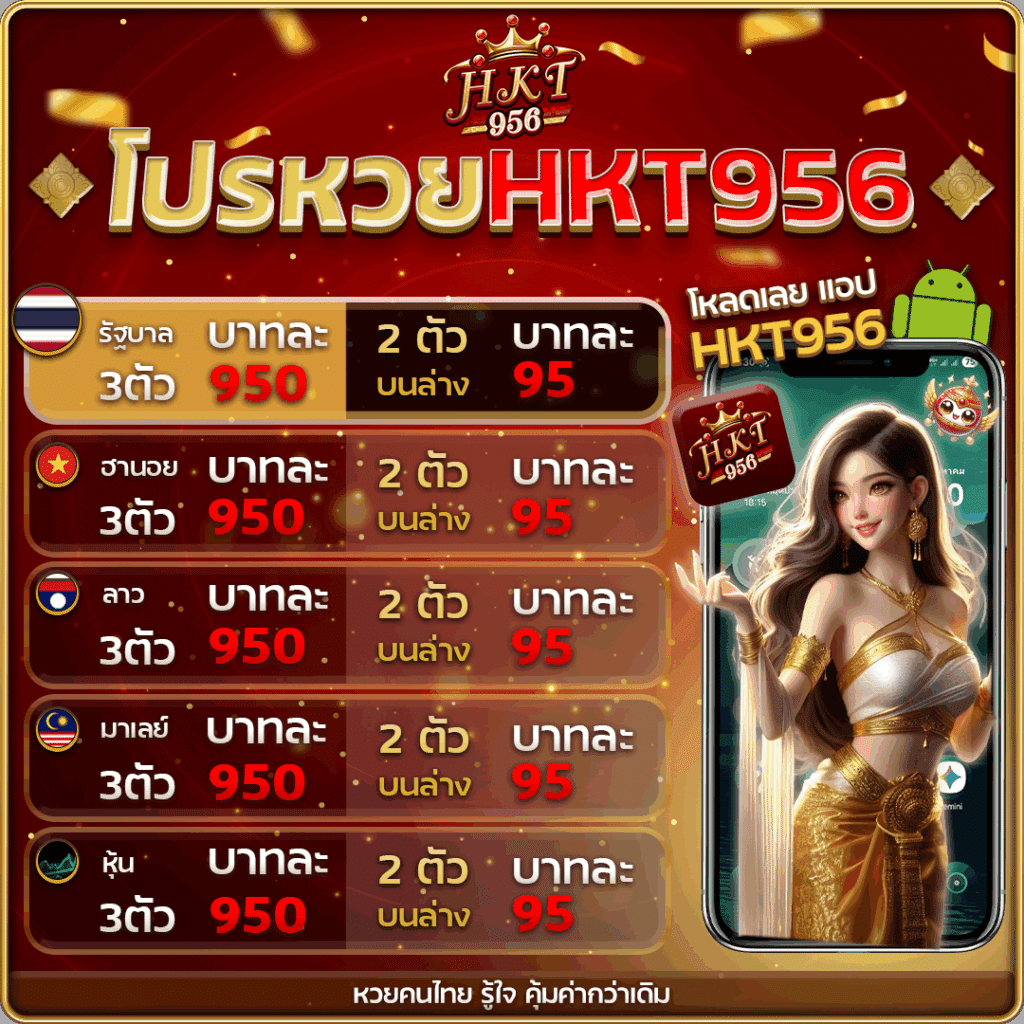
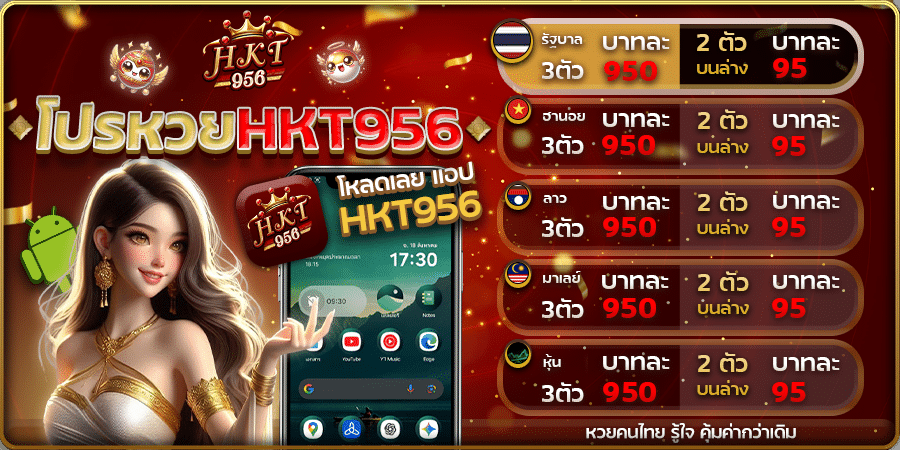
อัตราจ่ายสูงกว่าหวยทั่วไป เช่น สามตัวบาทละ 900–950 สองตัวบาทละ 90–95 ขึ้นอยู่กับประเภทหวย ทำให้การเล่นกับ HKT956 คุ้มค่ากว่าแน่นอน
Q: หวยลาวออนไลน์ คืออะไร?
A: หวยลาวออนไลน์ หรือ หวยลาวพัฒนา เป็นหวยที่ออกโดย สปป.ลาว ออกรางวัลสัปดาห์ละหลายครั้ง ผู้เล่นสามารถตรวจผล หวยลาววันนี้ และแทงผ่านระบบของ HKT956 ได้ง่ายๆ
Q: หวยฮานอยออนไลน์ เล่นยังไง?
A: หวยฮานอยออนไลน์ (หรือ หวยเวียดนาม) ออกรางวัลทุกวัน ผู้เล่นสามารถแทง 2 ตัว 3 ตัว หรือเลขวิ่งผ่านหน้าเว็บ HKT956 และตรวจผล หวยฮานอยวันนี้ แบบเรียลไทม์
Q: หวยรัฐบาลออนไลน์ แตกต่างจากหวยใต้ดินอย่างไร?
A: หวยรัฐบาลออนไลน์ อ้างอิงผลจากสลากกินแบ่งรัฐบาลอย่างเป็นทางการ ขณะที่หวยใต้ดินใช้ผลเดียวกันแต่มีความยืดหยุ่นในการซื้อเลขและอัตราจ่ายที่ต่างกัน
Q: วิธีสมัครสมาชิก HKT956 ต้องทำอย่างไร?
A: กดปุ่ม “สมัครสมาชิก HKT956” กรอกเบอร์มือถือ ตั้งรหัส ยืนยัน OTP แล้วล็อกอินเพื่อเริ่มเล่น หวยออนไลน์
Q: HKT956 รองรับการเล่นหวยบนมือถือไหม?
A: รองรับทั้ง Android และ iOS หน้าเว็บถูกออกแบบให้ responsive จึงเล่น หวยออนไลน์ ได้สะดวกทุกที่
Q: หวยหุ้นออนไลน์ คืออะไร?
A: หวยหุ้นออนไลน์ ใช้ค่าดัชนีตลาดหุ้นเป็นเกณฑ์สำหรับการออกผล ผู้เล่นสามารถเลือกเล่นหุ้นไทยหรือหุ้นต่างประเทศผ่าน HKT956
Q: หวยยี่กี (หวยปิงปอง) เล่นอย่างไร?
A: หวยยี่กีออนไลน์ อาศัยการยิงเลขจากผู้เล่นเองเพื่อรวมผลและออกรางวัล มีหลายรอบต่อวัน (เช่น 88 รอบ) และเล่นได้ผ่าน HKT956
Q: อัตราจ่ายของ HKT956 เป็นอย่างไร?
A: อัตราจ่ายแตกต่างตามประเภทหวย แต่โดยทั่วไป 3 ตัวบาทละ 900–950 และ 2 ตัวบาทละ 90–95 โปรดตรวจหน้าอัตราจ่ายล่าสุดในเว็บ
Q: ถ้าถูกรางวัลจะถอนเงินอย่างไร?
A: ระบบฝากถอนออโต้ของ HKT956 จะโอนเงินเข้าบัญชีที่ผูกไว้โดยอัตโนมัติ ภายในไม่กี่สิบวินาที (ขึ้นอยู่กับธนาคาร)
Q: เว็บ HKT956 ปลอดภัยไหม?
A: HKT956 ใช้มาตรการรักษาความปลอดภัยข้อมูลผู้ใช้ มีระบบยืนยัน OTP และการเข้ารหัสข้อมูล ทำให้การเล่น หวยออนไลน์ ปลอดภัย
Q: หวยมาเลย์ออนไลน์ คืออะไร?
A: หวยมาเลย์ออนไลน์ เป็นหวยจากประเทศมาเลเซีย มีรูปแบบและรอบการออกรางวัลเฉพาะ ผู้เล่นสามารถเข้าแทงผ่าน HKT956 ได้
Q: มีค่าใช้จ่ายในการสมัครไหม?
A: การสมัครสมาชิก HKT956 ฟรี ไม่มีค่าธรรมเนียมสำหรับการสมัคร
Q: เว็บมีบริการลูกค้าอย่างไร?
A: มีทีม support ผ่านแชทและช่องทางติดต่ออื่นๆ ตอบรวดเร็ว ช่วยแก้ปัญหาเรื่องการฝากถอนหรือการใช้งาน
Q: เล่นหวยออนไลน์แล้วเสี่ยงไหม?
A: การเล่นมีความเสี่ยง ทางที่ดีเล่นด้วยสติ ตั้งงบประมาณ และใช้ฟีเจอร์จำกัดยอดในบัญชีถ้ามี
Q: สามารถดูผลย้อนหลังได้ไหม?
A: ที่ HKT956 มีหน้าผลย้อนหลังและสถิติให้ดูเพื่อใช้วิเคราะห์และวางแผนการเล่น
Q: หวยออมสินและหวย ธ.ก.ส. ต่างจากหวยรัฐบาลไหม?
A: หวยออมสินและหวย ธ.ก.ส. เป็นหวยที่เกี่ยวข้องกับสถาบันการเงิน มีรูปแบบและรางวัลเฉพาะ ผู้เล่นสามารถเลือกแทงได้ที่เว็บ
Q: มีโปรโมชั่นหรือโบนัสไหม?
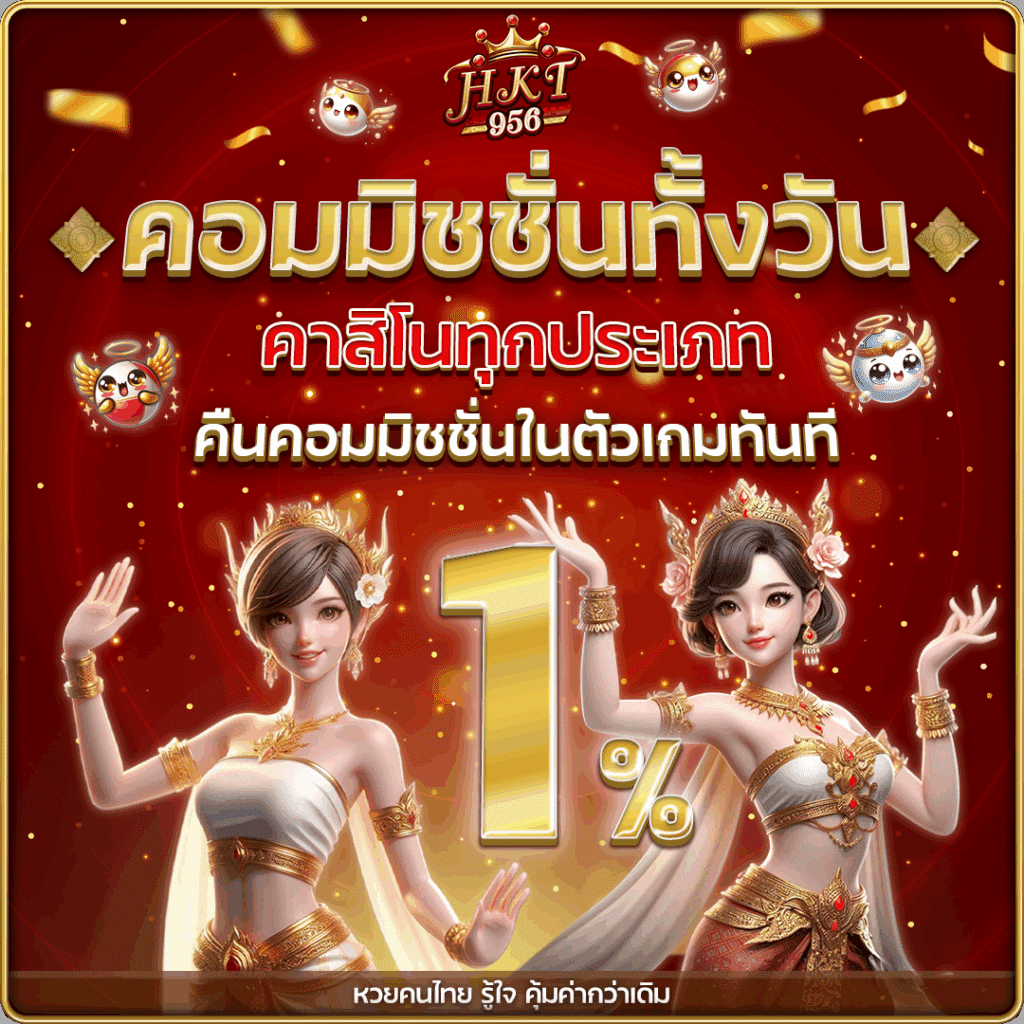
A: HKT956 มักมีโปรโมชั่นต้อนรับหรือคืนยอดเสีย ตรวจหน้าโปรโมชั่นเพื่อรายละเอียดล่าสุด
Q: สามารถตั้งแจ้งเตือนผลรางวัลได้ไหม?
A: ระบบสามารถตั้งแจ้งเตือนผลรางวัลผ่านเว็บหรือแอปได้ เพื่อไม่พลาดการตรวจผล
Q: หากลืมรหัสผ่านทำอย่างไร?
A: ใช้ฟังก์ชัน “ลืมรหัสผ่าน” ที่หน้าเข้าสู่ระบบ ยืนยัน OTP หรืออีเมลตามที่ลงทะเบียนไว้เพื่อรีเซ็ตรหัส
Q: สามารถเล่นผ่านคอมพิวเตอร์ได้ไหม?
A: รองรับทั้งคอมและมือถือ หน้าเว็บออกแบบ responsive เพื่อการเล่นที่ลื่นไหล
Q: เว็บมีระบบป้องกันการโกงไหม?
A: มีระบบตรวจจับพฤติกรรมแปลกปลอม และระบบล็อกอินหลายชั้นเพื่อความปลอดภัย
Q: ถ้าต้องการถอนยอดใหญ่ต้องแจ้งอย่างไร?
A: ติดต่อ support เพื่อยืนยันข้อมูลเพิ่มเติมตามนโยบายความปลอดภัยของเว็บ
Q: HKT956 มีแอปหรือไม่?
A: หากมีแอปจะแจ้งในหน้าเว็บหลัก ตรวจสอบการดาวน์โหลดและวิธีติดตั้งเพื่อความปลอดภัย
Q: สามารถตั้งยอดแทงอัตโนมัติได้ไหม?
A: ขึ้นอยู่กับฟีเจอร์ของระบบ บางเว็บมีระบบแทงซ้ำหรือแทงตามสูตรที่ตั้งค่าได้
Q: มีการคืนโพยหรือคืนยอดเสียไหม?
A: บางโปรโมชั่นมีการคืนยอดเสีย โปรดตรวจหน้าโปรโมชั่นหรือเงื่อนไขก่อนแทง
Q: HKT956 มีหน้ารวมสถิติหรือเลขเด็ดไหม?
A: มีหน้าสถิติและบทวิเคราะห์ รวมถึงเลขเด็ดจากสำนักต่างๆ เพื่อช่วยการตัดสินใจ
Q: ผมสามารถใช้หลายบัญชีได้ไหม?
A: ปกติจะห้ามบัญชีซ้ำเพื่อป้องกันการทุจริต ควรตรวจเงื่อนไขการใช้บริการ
Q: สามารถฝากผ่านวอเล็ต/QR ได้ไหม?
A: รองรับหลายช่องทางฝากถอน ขึ้นอยู่กับการตั้งค่าของเว็บและธนาคาร
Q: เว็บเก็บข้อมูลส่วนตัวอย่างไร?
A: ใช้นโยบายความเป็นส่วนตัวและการเข้ารหัสข้อมูลผู้ใช้ โปรดอ่านนโยบายความเป็นส่วนตัว
Q: อยากได้สรุปการจ่ายของแต่ละหวยต้องดูที่ไหน?
A: ดูที่หน้าอัตราจ่ายของเว็บ HKT956 ซึ่งจะระบุอัตราจ่ายของแต่ละประเภทหวยอย่างชัดเจน